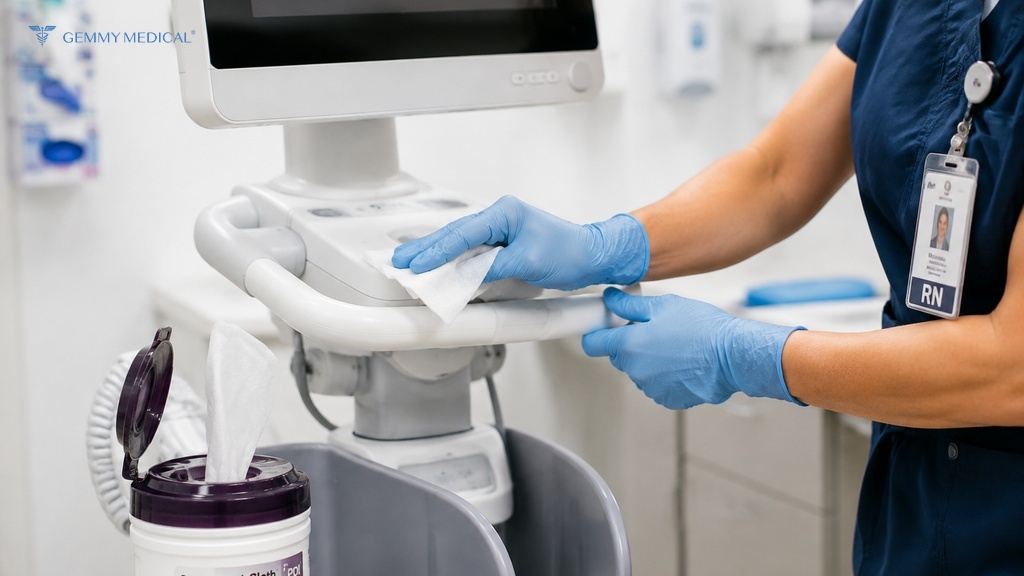
Introduction to Surface Disinfectant Wipes
Hospital surface disinfectant wipes are pre-moistened cleaning products specifically designed for the rapid, effective sanitation of surfaces in healthcare settings. These wipes are infused with EPA-registered disinfectant solutions capable of targeting a wide range of pathogens, including bacteria, viruses, and fungi. In busy medical environments where infection control is paramount, disinfectant wipes provide a practical, time-efficient alternative to traditional cleaning methods such as sprays and reusable cloths.
Gemmy Medical, headquartered in Shanghai, China, offers a comprehensive range of hospital-grade disinfectant wipes to support infection control efforts across global healthcare markets. These wipes are formulated to meet the stringent requirements of medical facilities while ensuring compatibility with various surface materials. With the right product selection, healthcare professionals can maintain a safer environment for patients, staff, and visitors.
How Hospital Disinfectant Wipes Work
Surface disinfectant wipes work by delivering a controlled amount of cleaning and disinfecting solution directly to the surface, ensuring uniform coverage. The active ingredients in these solutions—such as quaternary ammonium compounds, hydrogen peroxide, or sodium hypochlorite—are scientifically proven to disrupt the cellular structures of microorganisms, ultimately inactivating them.
When a disinfectant wipe is applied to a contaminated surface, the mechanical action of wiping helps to physically remove debris and microorganisms. Simultaneously, the chemical solution neutralizes pathogens by breaking down their cell walls or interfering with their metabolic processes. These dual-action wipes ensure that surfaces are not only visibly clean but also hygienically sanitized. Gemmy Medical's disinfectant wipes are carefully formulated to balance efficacy with material compatibility, preventing surface damage over time.
Clinical Benefits of Surface Disinfectant Wipes
Hospital-grade disinfectant wipes offer numerous clinical benefits, making them an essential tool in healthcare infection control. First and foremost, they significantly reduce the risk of healthcare-associated infections (HAIs) by eliminating pathogens from high-touch surfaces such as bed rails, doorknobs, and medical equipment.
Additionally, pre-moistened wipes are convenient and reduce the risk of cross-contamination. Unlike reusable cloths that may harbor pathogens if not properly sanitized, disposable wipes are single-use, ensuring that contaminants are effectively contained and discarded. Furthermore, the time-saving nature of disinfectant wipes allows healthcare staff to maintain high cleaning standards during their busy schedules. Gemmy Medical's wipes are designed to provide fast-acting disinfection, with many products achieving kill claims in under one minute.
Key Applications in Hospitals
Disinfectant wipes are indispensable across a variety of hospital environments. In patient rooms, they are commonly used to clean high-touch surfaces such as bedside tables, remote controls, and call buttons. In operating rooms, disinfectant wipes play a critical role in sterilizing surgical lights, tables, and other medical equipment before and after procedures.
In nursing stations and laboratories, these wipes help maintain clean workspaces by addressing spills, splatters, and accidental contamination. Additionally, in communal areas such as waiting rooms and cafeterias, disinfectant wipes are used to sanitize furniture, countertops, and other frequently handled surfaces. Gemmy Medical's extensive product line includes wipes tailored for specific applications, ensuring optimal performance in various hospital departments.
How to Choose the Right Disinfectant Wipes
Selecting the right disinfectant wipes for your hospital requires careful consideration of multiple factors. Key criteria include the spectrum of pathogens targeted (e.g., efficacy against MRSA, SARS-CoV-2, or C. difficile), contact time, and material compatibility. It is essential to choose EPA-registered products that meet regulatory standards for healthcare use.
Other factors to consider include ease of use, packaging format (e.g., canisters, refill packs), and the presence of harsh chemicals that may cause irritation. For instance, Gemmy Medical offers low-odor, alcohol-free formulations that are safer for sensitive environments while maintaining high efficacy. Consulting with infection control specialists and procurement teams can help ensure the most appropriate product selection for your facility's needs.
Best Practices for Using Disinfectant Wipes
To maximize the efficacy of disinfectant wipes, it is crucial to follow proper usage protocols. Begin by reading the manufacturer’s instructions, as different products may have specific guidelines regarding contact time and surface compatibility. Ensure that the wipe remains wet throughout the cleaning process, as dry wipes may not deliver sufficient disinfectant to the surface.
Wipe in a single direction to avoid re-depositing contaminants back onto the surface. For visibly soiled areas, clean the surface with a detergent wipe before applying a disinfectant wipe. Dispose of used wipes immediately, and never reuse them. Gemmy Medical provides detailed instructions and training resources to support healthcare staff in achieving optimal cleaning outcomes.
Who Should Use Hospital Disinfectant Wipes
Hospital surface disinfectant wipes are designed for use by a wide range of healthcare professionals, including nurses, environmental services staff, and infection control teams. In patient care settings, nurses and aides use these wipes to sanitize beds, monitors, and other frequently touched surfaces. Environmental services staff rely on disinfectant wipes to perform routine cleaning and disinfection tasks throughout the facility.
Infection control teams often recommend specific products and protocols to address outbreaks or high-risk areas. Additionally, disinfectant wipes are suitable for use by visiting healthcare professionals, such as physical therapists or technicians, who require quick and effective surface cleaning during patient interactions. Gemmy Medical's versatile product portfolio ensures that all users can find a suitable solution for their specific applications.
Clinical Evidence Supporting Disinfectant Wipes
Scientific studies have consistently demonstrated the efficacy of disinfectant wipes in reducing microbial contamination in hospital settings. For example, research published in the Journal of Hospital Infection found that disinfectant wipes containing quaternary ammonium compounds significantly reduced bacterial load on high-touch surfaces compared to traditional cleaning methods. Similarly, studies during the COVID-19 pandemic highlighted the role of disinfectant wipes in minimizing viral transmission in healthcare facilities.
Gemmy Medical collaborates with global healthcare institutions to validate the performance of its products under real-world conditions. Rigorous testing ensures that our wipes meet or exceed international standards for disinfection, providing healthcare professionals with reliable tools to protect patient safety.
FAQ
What are hospital surface disinfectant wipes made of?
Hospital disinfectant wipes are typically made of nonwoven materials infused with disinfectant solutions. Common active ingredients include quaternary ammonium compounds, hydrogen peroxide, and sodium hypochlorite. These materials are designed to be durable, absorbent, and compatible with a wide range of surfaces.
Can disinfectant wipes be used on all surfaces?
Not all disinfectant wipes are suitable for every surface. While most hospital-grade wipes are compatible with non-porous surfaces, certain materials like untreated wood or fabric may be damaged. Always check the manufacturer’s recommendations for specific surface compatibility.
How long should the surface remain wet after using a disinfectant wipe?
The surface should remain wet for the contact time specified on the product label, which is typically 1-5 minutes depending on the pathogen being targeted. Allowing the surface to air-dry ensures complete disinfection.
Are Gemmy Medical’s disinfectant wipes EPA-registered?
Yes, Gemmy Medical’s hospital-grade disinfectant wipes are EPA-registered and meet the regulatory standards for healthcare use. They are tested to ensure efficacy against a wide range of pathogens, including bacteria, viruses, and fungi.
Can disinfectant wipes prevent healthcare-associated infections (HAIs)?
While no single product can eliminate HAIs entirely, regular use of disinfectant wipes on high-touch surfaces significantly reduces the risk of pathogen transmission, thereby lowering the incidence of HAIs in healthcare facilities.
How should disinfectant wipes be stored?
Disinfectant wipes should be stored in a cool, dry place away from direct sunlight or heat sources. Proper storage ensures that the wipes remain moist and effective until their expiration date.
Conclusion
Hospital surface disinfectant wipes are a critical component of infection control strategies in healthcare settings. Their ability to deliver fast, effective, and convenient disinfection has made them indispensable for maintaining patient and staff safety. By choosing high-quality products like those offered by Gemmy Medical, hospitals can enhance their sanitation protocols and reduce the risk of healthcare-associated infections. Proper selection, storage, and usage are essential to maximizing the benefits of these versatile cleaning tools.
Disclaimer: This article is for informational purposes only and does not replace professional medical advice. For product inquiries or customized solutions, contact the Gemmy Medical team at info@gemmytec.com.
Additional Considerations for Hospital Disinfectant Wipes
When implementing hospital disinfectant wipes into your sanitation protocol, it’s important to think beyond basic efficacy and consider factors that can impact long-term use and compliance among healthcare staff. Here are some additional considerations:
Environmental Impact
With the increased use of disposable disinfectant wipes, concerns about environmental sustainability have grown. Many wipes are made from synthetic materials that are not biodegradable, contributing to landfill waste. To address this issue, some manufacturers, including Gemmy Medical, are exploring eco-friendly options such as biodegradable wipes or more sustainable packaging solutions. Hospitals looking to minimize their environmental footprint should inquire about these options and consider products that align with their sustainability goals.
Cost-Effectiveness
Cost is another critical factor for healthcare facilities, particularly those operating under tight budgets. While disinfectant wipes are more convenient than traditional cleaning methods, they may also be more expensive. Bulk purchasing and subscription models can help reduce costs, as can selecting multi-purpose wipes that combine cleaning and disinfection in a single step. Gemmy Medical offers flexible purchasing options to meet the budgetary needs of diverse healthcare organizations.
Staff Training and Compliance
Even the most effective disinfectant wipes will fail to deliver results if staff do not use them correctly. Comprehensive training programs are essential to ensure that healthcare professionals understand proper wiping techniques, contact times, and disposal protocols. Regular audits and feedback sessions can also help improve compliance. Gemmy Medical supports healthcare facilities with training resources, including instructional videos and on-site workshops.
Addressing Allergies and Sensitivities
Some disinfectant wipes contain chemicals that can cause skin irritation or respiratory issues in sensitive individuals. Hospitals should consider products with low-odor, hypoallergenic formulations to reduce the risk of adverse reactions among staff and patients. For example, Gemmy Medical offers alcohol-free wipes suitable for use in pediatric wards and other sensitive environments.
Integration with Existing Protocols
Finally, integrating disinfectant wipes into existing cleaning protocols requires careful planning. Facilities need to determine which surfaces should be cleaned with wipes versus other cleaning tools, as well as how often disinfection should occur. Collaboration between infection control teams, environmental services, and healthcare staff is crucial to creating a seamless and effective cleaning strategy.
Innovations in Disinfectant Wipe Technology
The field of surface disinfection is constantly evolving, with new technologies emerging to improve the effectiveness, safety, and sustainability of disinfectant wipes. Here are some of the latest innovations:
Smart Packaging
Manufacturers are now incorporating smart packaging features such as resealable lids and moisture-locking designs to keep wipes fresh for longer. This not only improves usability but also reduces waste by preventing wipes from drying out prematurely.
Advanced Formulations
Recent advances in chemistry have led to the development of disinfectant solutions that are both more effective and less harsh on surfaces. For example, accelerated hydrogen peroxide is a newer active ingredient that combines high-level disinfection with lower toxicity. Gemmy Medical is at the forefront of adopting such advanced formulations to meet the needs of modern healthcare facilities.
Antimicrobial Wipe Materials
Some manufacturers are exploring antimicrobial materials for the wipe substrate itself. These materials not only hold the disinfectant solution but also actively inhibit the growth of bacteria and fungi on the wipe, further enhancing its efficacy.
Touchless Dispensing Systems
To reduce the risk of cross-contamination, some companies are introducing touchless or sensor-activated dispensing systems for disinfectant wipes. These systems allow users to retrieve a wipe without touching the container, making them ideal for high-risk areas such as intensive care units (ICUs) or isolation rooms.
AI and IoT Integration
Artificial intelligence (AI) and the Internet of Things (IoT) are being integrated into cleaning protocols to improve monitoring and compliance. For example, smart dispensers can track usage patterns and alert staff when supplies are running low or when a surface needs to be disinfected again. These technologies can help hospitals optimize their cleaning schedules and resource allocation.
Case Studies and Real-World Examples
To illustrate the impact of hospital disinfectant wipes, let’s explore a few real-world examples:
Case Study 1: Reducing HAIs in a Surgical Ward
A large urban hospital implemented a new cleaning protocol using hospital-grade disinfectant wipes in its surgical ward. The protocol focused on high-touch areas such as surgical tables, lighting controls, and anesthesia machines. Within six months, the hospital reported a 30% reduction in surgical site infections (SSIs), highlighting the effectiveness of targeted disinfection strategies.
Case Study 2: Managing an Outbreak in a Nursing Home
During a norovirus outbreak in a nursing home, staff began using disinfectant wipes with accelerated hydrogen peroxide to clean communal areas and residents’ rooms. The outbreak was contained within two weeks, and no new cases were reported after the intervention. The facility has since adopted the wipes as a standard part of its infection control protocols.
Case Study 3: Enhancing Staff Efficiency in an Emergency Department
An emergency department in a busy metropolitan hospital struggled to maintain cleaning standards due to high patient turnover. By switching from traditional cleaning methods to pre-moistened disinfectant wipes, the department reduced cleaning time per patient room by 40%, allowing staff to focus more on patient care. The switch also decreased patient complaints about cleanliness, improving overall satisfaction scores.
Emerging Pathogens and the Role of Disinfectant Wipes
In recent years, the emergence of new pathogens such as SARS-CoV-2 (COVID-19) and antibiotic-resistant bacteria has underscored the importance of effective surface disinfection. Hospital disinfectant wipes play a crucial role in mitigating the spread of these pathogens by providing a fast and reliable method of decontaminating surfaces.
For instance, during the COVID-19 pandemic, disinfectant wipes with proven efficacy against coronaviruses became a staple in healthcare settings worldwide. These wipes enabled hospitals to maintain high levels of hygiene even during periods of intense patient influx. Similarly, wipes effective against multidrug-resistant organisms (MDROs) like carbapenem-resistant Enterobacteriaceae (CRE) are critical in combating the growing threat of antimicrobial resistance.
As new pathogens continue to emerge, manufacturers like Gemmy Medical are investing in research and development to ensure their products remain effective against a broad spectrum of microorganisms. Healthcare facilities must stay informed about the latest advancements and adjust their cleaning protocols accordingly.
Final Thoughts
Hospital surface disinfectant wipes are more than just a convenience—they are a cornerstone of modern infection control. From reducing HAIs to managing outbreaks and improving operational efficiency, these versatile tools offer significant benefits for healthcare facilities. As the industry evolves, innovations in wipe technology and evidence-based practices will continue to enhance their effectiveness and sustainability.


